

MICRODOSING
Psilocybin Microdosing Guide (2026)
Introduction
Psilocybin microdosing has become one of the most widely discussed topics in modern psychedelic science. Instead of consuming a full psychedelic dose of mushrooms, microdosing involves taking extremely small amounts that usually produce little or no noticeable psychedelic effects.
In recent years, interest in psychedelic research has increased dramatically. Universities and research institutions are studying how compounds like psilocybin interact with the brain and whether they may play a role in mental health research.
Some of the most influential studies in psychedelic science have been conducted at institutions such as Johns Hopkins University, where researchers continue exploring how psychedelic compounds affect cognition, mood, and brain connectivity.
This guide explains what psilocybin microdosing is, why people talk about it, and what current research suggests.
What Is Psilocybin Microdosing?
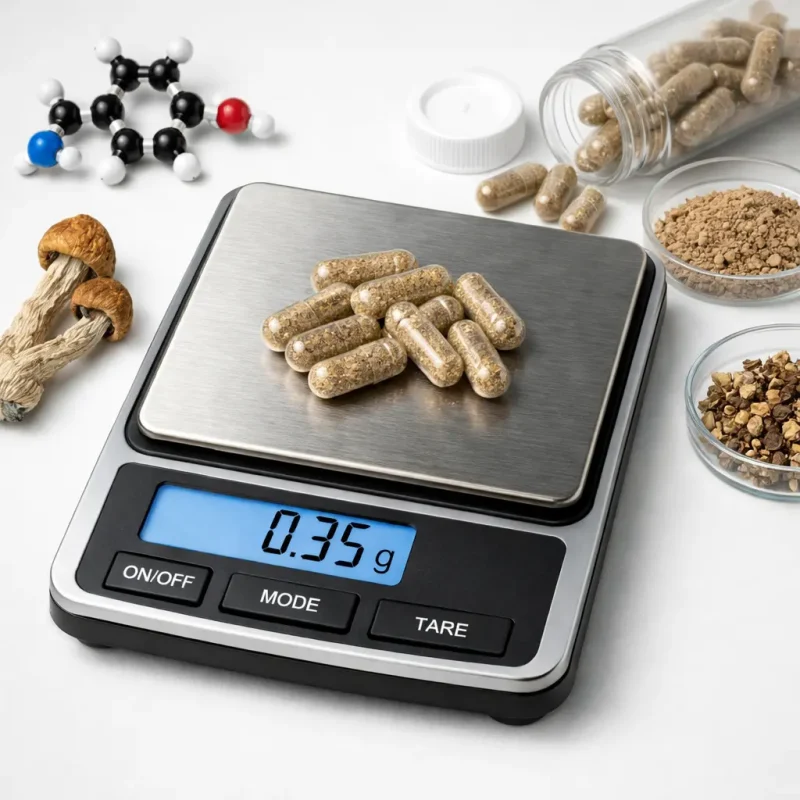
Psilocybin microdosing refers to consuming very small amounts of psychedelic mushrooms.
The goal is not to experience hallucinations or strong perceptual changes. Instead, microdosing aims to produce subtle psychological effects that may influence mood, creativity, or cognitive flexibility.
Typical ranges discussed in psychedelic education include:
| Dose Level | Amount |
|---|---|
| Microdose | 0.05g – 0.3g |
| Low Dose | 0.3g – 1g |
| Moderate Dose | 1g – 2.5g |
| High Dose | 2.5g – 5g |
These ranges are approximate because mushroom potency can vary significantly depending on species and cultivation conditions.
Why Microdosing Became Popular
Interest in microdosing has grown due to several cultural and scientific developments.
Psychedelic Research Renaissance
Over the past two decades, scientists have renewed research into psychedelic substances after decades of limited study.
Researchers are now exploring how compounds like psilocybin interact with the brain and how they may influence mental health research.
Creative and Technology Communities
Microdosing gained visibility after reports that individuals in creative and technology communities were experimenting with small psychedelic doses to improve focus and creativity.
Although these reports helped popularize microdosing, scientists emphasize that many claims remain anecdotal.
Mental Health Awareness
As conversations about mental health have become more common worldwide, researchers have begun investigating new approaches to understanding mood, cognition, and emotional processing.
Psychedelic research is one area receiving growing attention.
How Psilocybin Affects the Brain
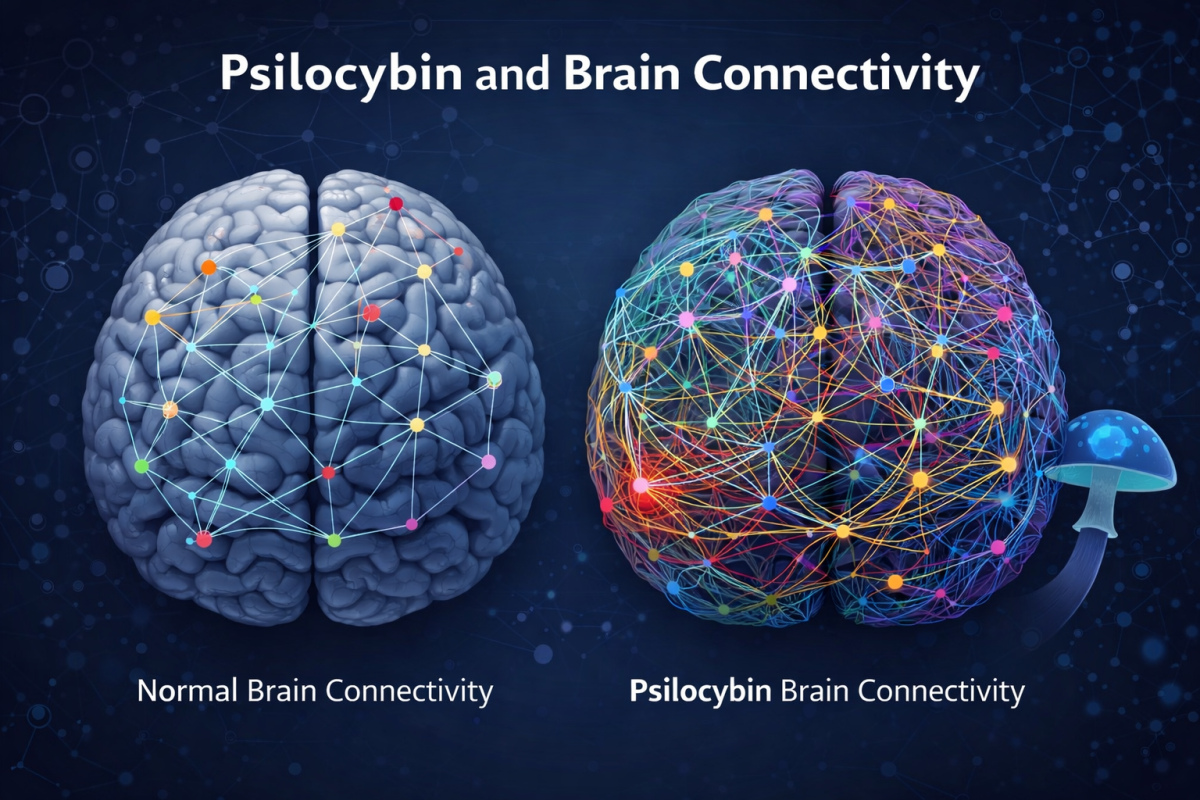
When psilocybin enters the body, it is converted into a compound called psilocin.
Psilocin interacts with serotonin receptors in the brain, particularly the 5-HT2A receptor, which plays a key role in mood regulation and perception.
Researchers believe psychedelic compounds may influence:
- brain connectivity
- emotional processing
- cognitive flexibility
- neural communication patterns
Some studies suggest psychedelic substances may temporarily increase neuroplasticity, which refers to the brain’s ability to form new neural connections.
However, the specific effects of microdosing remain less understood than the effects of higher doses.
Common Microdosing Protocols
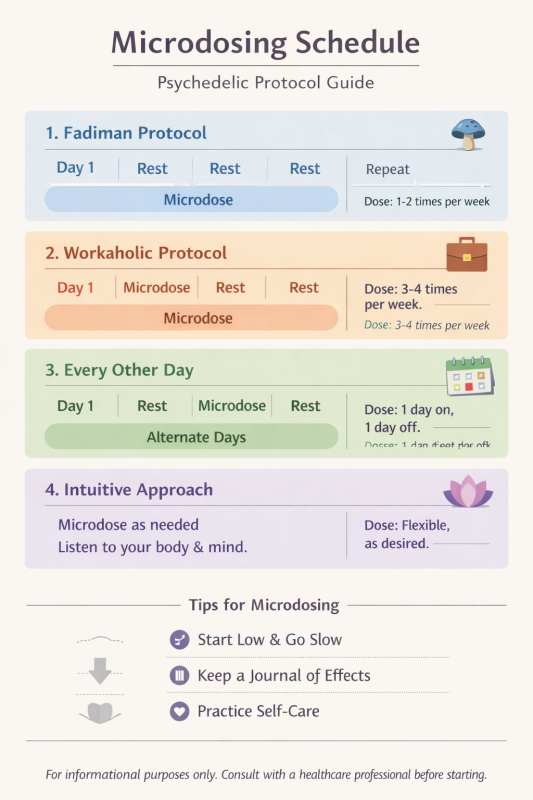
People who experiment with microdosing often follow specific schedules called protocols.
Fadiman Protocol
One of the most widely discussed approaches is the Fadiman protocol:
Day 1 – microdose
Day 2 – no dose
Day 3 – no dose
Repeat
This schedule allows time between doses.
Stamets Protocol
Another commonly discussed approach is the Stamets protocol.
4 days microdose
3 days off
Some variations of this protocol include additional supplements.
Potential Benefits Being Studied
Interest in microdosing often focuses on possible psychological and cognitive benefits.
Researchers are exploring several areas.
Mood and Emotional Balance
Some observational studies report improved mood among individuals experimenting with microdosing.
However, scientists caution that placebo effects may influence these results.
Creativity and Cognitive Flexibility
Some researchers are investigating whether psychedelic compounds may temporarily influence creative thinking and cognitive flexibility.
Focus and Productivity
Anecdotal reports frequently mention improved focus or productivity, though controlled studies are still needed to confirm these effects.
Risks and Unknowns
Because research into microdosing is still developing, scientists emphasize caution.
Possible concerns include:
- psychological sensitivity in some individuals
- interactions with medications
- inconsistent dosing outside research settings
- legal restrictions in many countries
For these reasons, experts highlight the importance of responsible education and harm-reduction awareness.
Legal Status of Psilocybin
Psilocybin remains classified as a controlled substance in many countries and jurisdictions. However, laws surrounding psychedelic substances are evolving in certain regions.
Legal frameworks vary widely depending on location, and regulations may change as scientific research continues.
FAQ
What is psilocybin microdosing?
Psilocybin microdosing refers to consuming very small amounts of psychedelic mushrooms with the goal of subtle psychological effects rather than a full psychedelic experience.
Why do people microdose mushrooms?
Some individuals believe microdosing may influence creativity, mood, or focus, although research into these claims is still ongoing.
Is microdosing scientifically proven?
Scientific research into microdosing is still developing, and many reported benefits remain anecdotal.
How does psilocybin affect the brain?
Psilocybin interacts with serotonin receptors in the brain and may influence neural connectivity and emotional processing.
Is psilocybin legal everywhere?
No. Psilocybin remains a controlled substance in many countries and jurisdictions.
Disclaimer
This article is for informational purposes only and does not constitute medical or legal advice. Psilocybin is a controlled substance in many jurisdictions.
Read Next
- Psilocybin Dosage Chart Explained
- Microdosing Schedule Guide
- Set and Setting Explained
- Psychedelic Therapy Research Overview
